
Case Study: Successful Renovations in Mexico City’s Historic Buildings


Introduction to Historic Renovations
Mexico City is a vibrant metropolis, rich in history and culture. Among its bustling streets are historic buildings that tell stories of a bygone era. Renovating these architectural treasures is both a challenge and an opportunity, allowing us to preserve cultural heritage while adapting to modern needs.
The Challenges of Renovating Historic Buildings
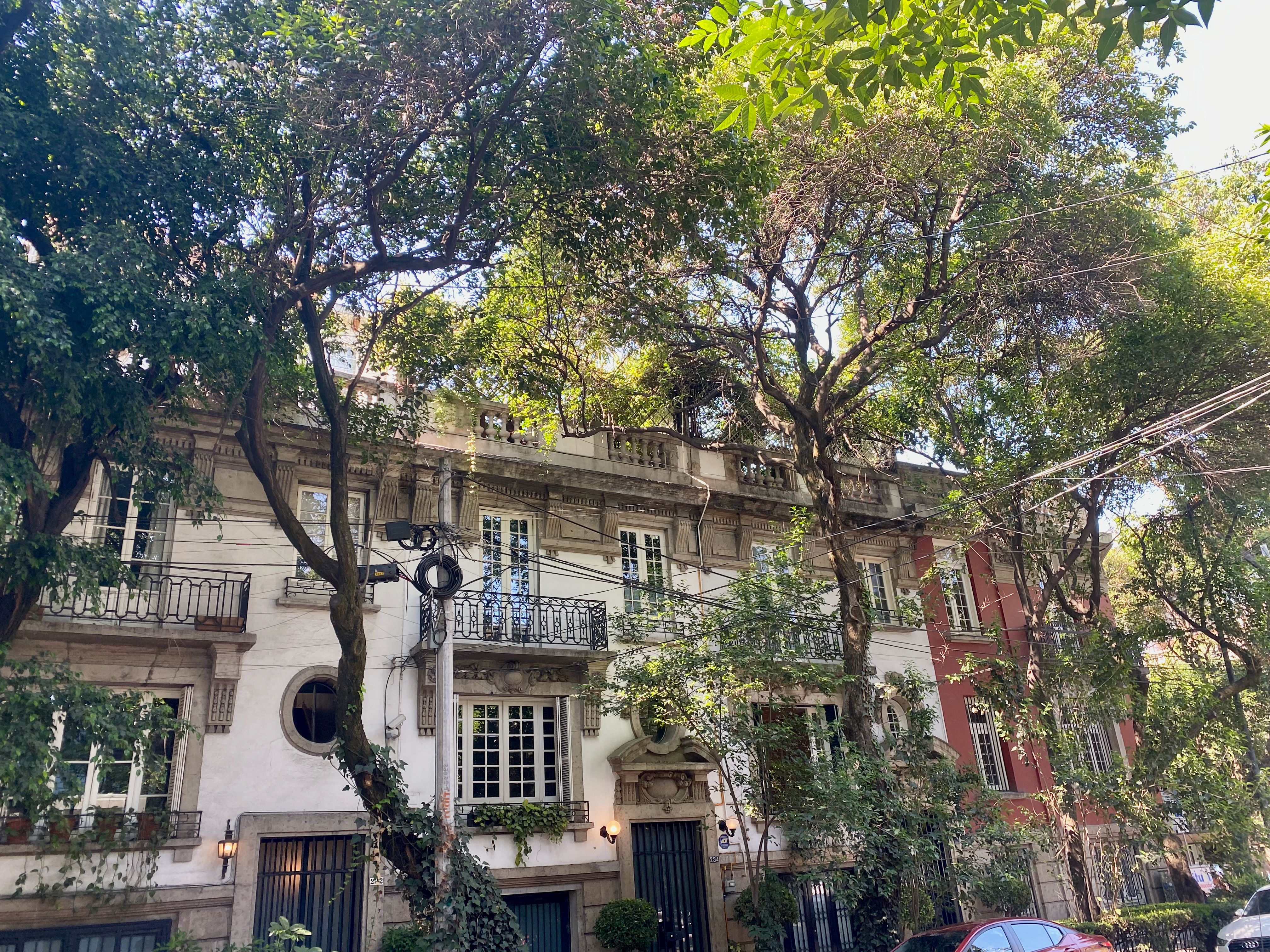
Renovating historic buildings in Mexico City comes with unique challenges. Preservation of original materials and architectural integrity is crucial. Furthermore, complying with modern building codes without compromising the building's historical essence can be complex.
Architects and builders must work closely with conservation experts to ensure that the renovations respect the building's original design while enhancing its functionality. This often involves using traditional techniques and materials, which can be both time-consuming and costly.
Regulatory Considerations
Regulations play a significant role in the renovation process. In Mexico City, any modifications to historic buildings must be approved by the National Institute of Anthropology and History (INAH). This ensures that the renovations align with national standards for cultural preservation.

Successful Case Studies
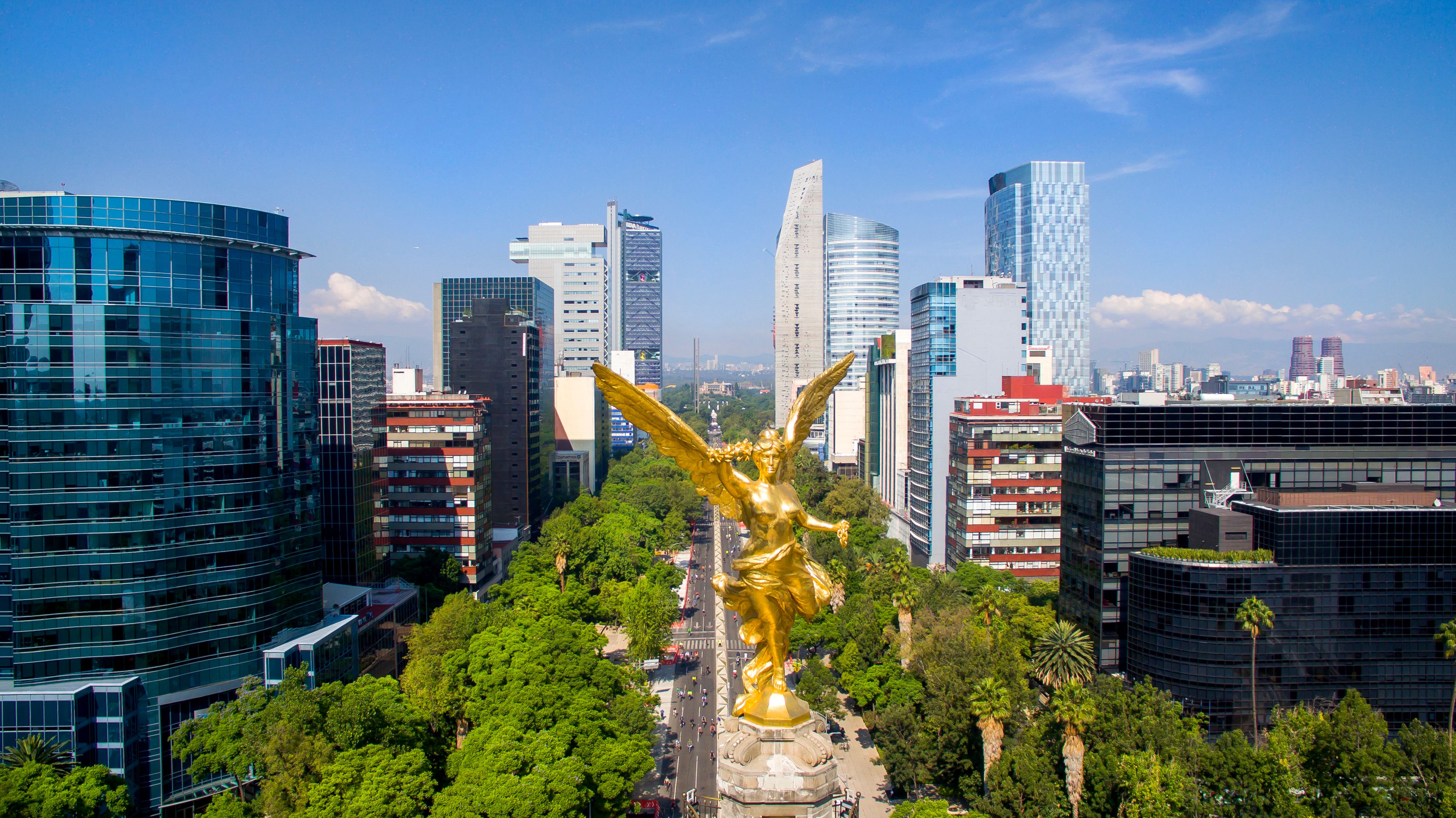
Several renovation projects in Mexico City have successfully balanced preservation with modernization. One notable example is the restoration of the Palacio de Bellas Artes. This iconic building underwent extensive work to restore its original grandeur while modernizing its facilities for contemporary use.
Another success story is the renovation of the Gran Hotel Ciudad de México. This project focused on preserving the art nouveau style, including the famous Tiffany glass ceiling, while updating the infrastructure to accommodate modern amenities.
Key Strategies for Success
The success of these projects can be attributed to several key strategies:
- Collaboration: Close collaboration between architects, historians, and regulatory bodies.
- Innovative Techniques: Combining traditional methods with modern technology.
- Sustainability: Incorporating eco-friendly practices to enhance building efficiency.
The Impact on Community and Tourism
Renovating historic buildings not only preserves cultural heritage but also boosts local economies through tourism. Visitors are drawn to these beautifully restored sites, eager to experience the blend of history and modernity.
The revitalization of these buildings also fosters community pride and engagement, as residents witness the transformation of familiar landmarks into vibrant centers of culture and activity.
Conclusion
Renovating historic buildings in Mexico City is a delicate balancing act that requires a commitment to preserving the past while embracing the future. Successful projects demonstrate the potential to honor history and drive economic growth, offering a blueprint for other cities worldwide.
As Mexico City continues to grow, the preservation and renovation of its historic buildings will remain a priority, ensuring that the city retains its unique character and charm for generations to come.