Case Study: Sustainable Building Projects in Mexico City


Introduction to Sustainable Building in Mexico City
Mexico City, a bustling metropolis with a population exceeding 21 million, is making strides in sustainable architecture. As urbanization accelerates, the city has turned to innovative building practices to address environmental concerns and improve living conditions.
Why Sustainable Building Matters
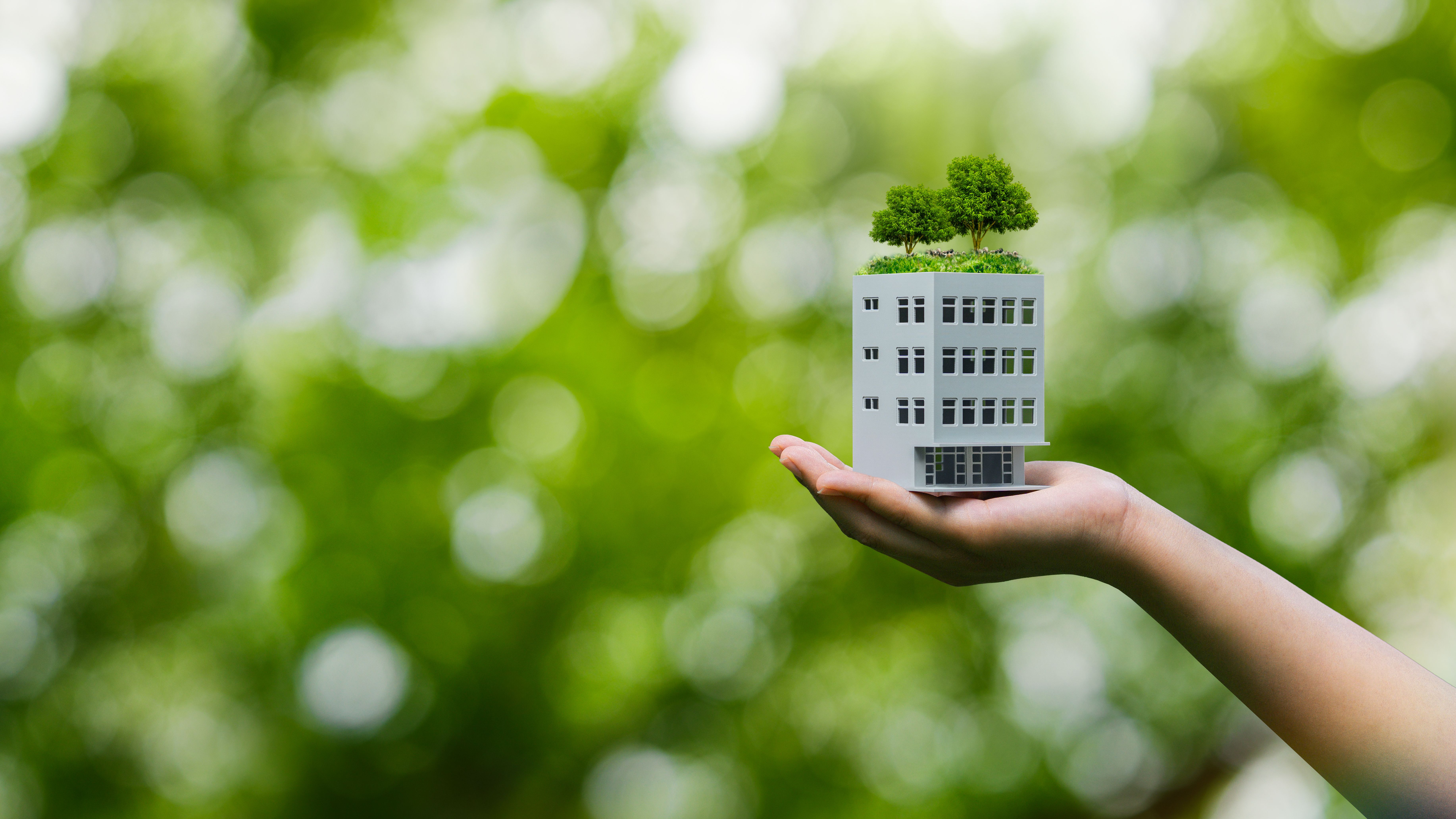
Urban areas are responsible for a significant portion of carbon emissions and resource consumption. Sustainable building practices aim to reduce this impact by utilizing eco-friendly materials, energy-efficient technologies, and innovative design strategies. In Mexico City, these practices are not just trends but necessary steps towards a healthier urban environment.
Key Projects Leading the Way
Several projects in Mexico City exemplify sustainable building at its best. These include the Torre Reforma, a skyscraper known for its energy efficiency, and Casa Gilardi, an example of sustainable residential architecture. These projects demonstrate how modern architecture can integrate with environmental responsibility.
Torre Reforma: A Case Study
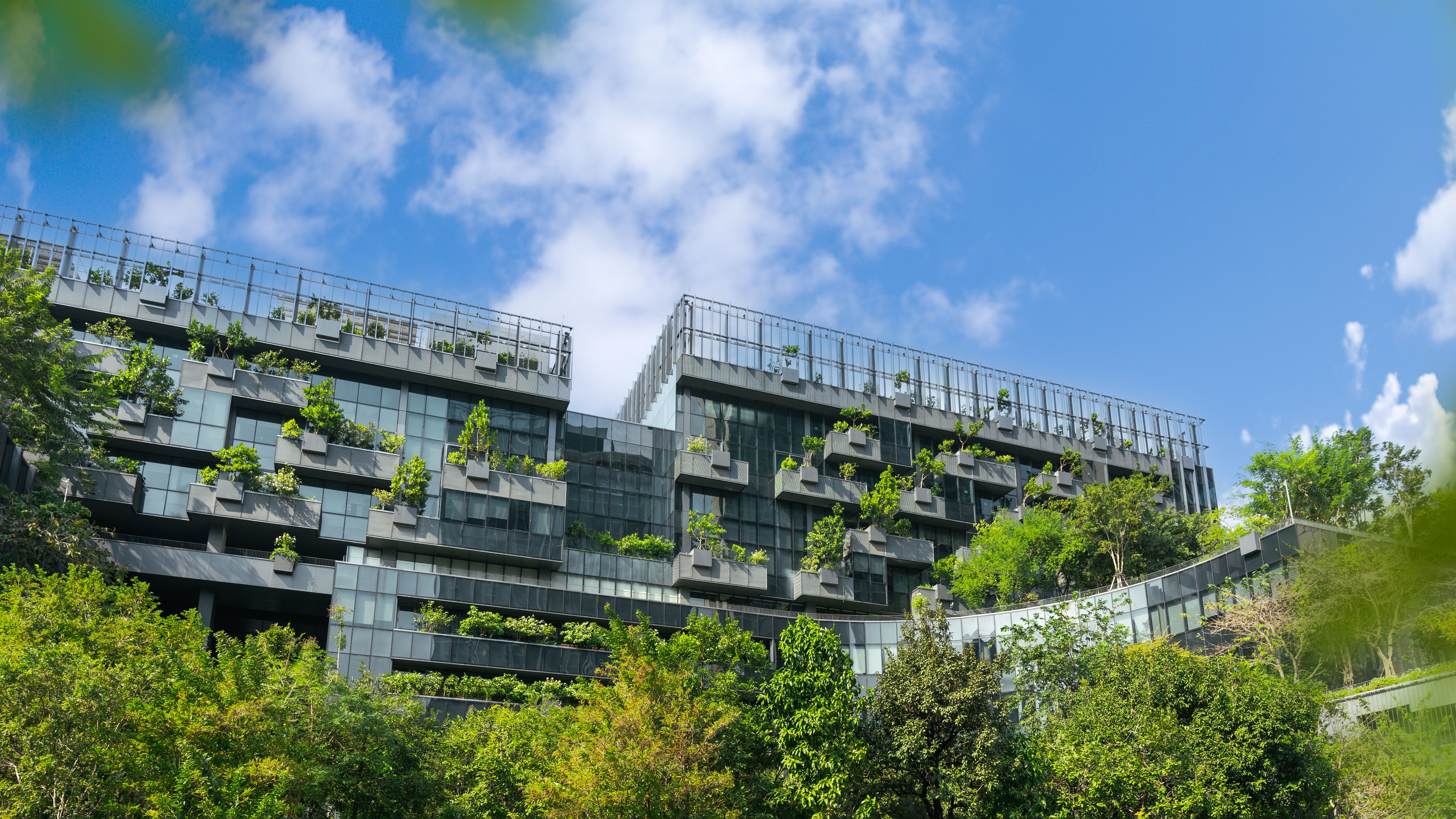
Torre Reforma stands as one of the greenest skyscrapers in Latin America. Designed with sustainability in mind, the building features a rainwater collection system, natural ventilation, and an intelligent lighting system. These innovations significantly reduce its carbon footprint while serving as a model for future developments.
Community-Centric Approaches
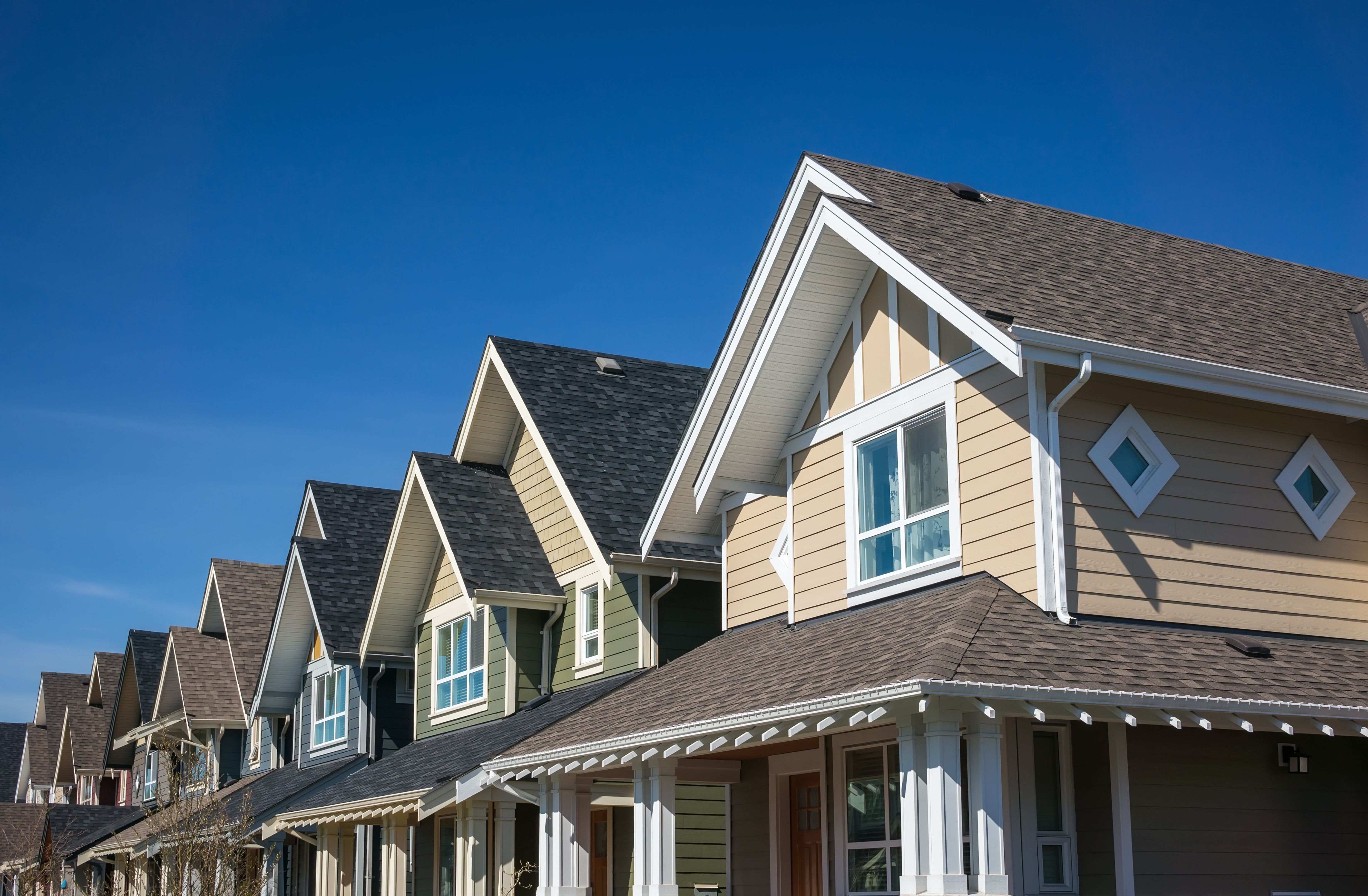
Sustainable building in Mexico City is not limited to large-scale projects. Community-driven initiatives are equally important. Projects like the EcoCasa program focus on constructing affordable, environmentally friendly homes for low-income families. This approach not only benefits the environment but also enhances the quality of life for residents.
Challenges and Opportunities
While progress is being made, sustainable building in Mexico City faces challenges such as financial constraints and regulatory hurdles. However, these challenges also present opportunities for innovation. By leveraging public-private partnerships and adopting new technologies, the city can continue to advance its sustainability goals.
The Future of Sustainable Building
The future looks promising for sustainable building in Mexico City. As awareness grows and technology advances, more projects are expected to incorporate green practices. This shift is crucial for the city to meet its environmental targets and improve urban living conditions.
Conclusion
Mexico City's commitment to sustainable building is a testament to its forward-thinking approach. By prioritizing eco-friendly practices, the city sets a benchmark for others to follow, proving that urban development and environmental responsibility can go hand in hand.