
Innovations in Architectural Design in Mexico City: Trends to Watch


Embracing Modern Aesthetics
Mexico City has become a vibrant hub for architectural innovation, blending historical influences with cutting-edge designs. This dynamic fusion is reshaping the city’s skyline, reflecting a commitment to sustainable and aesthetically pleasing structures. As architects explore new possibilities, they are pushing the boundaries of modern aesthetics.
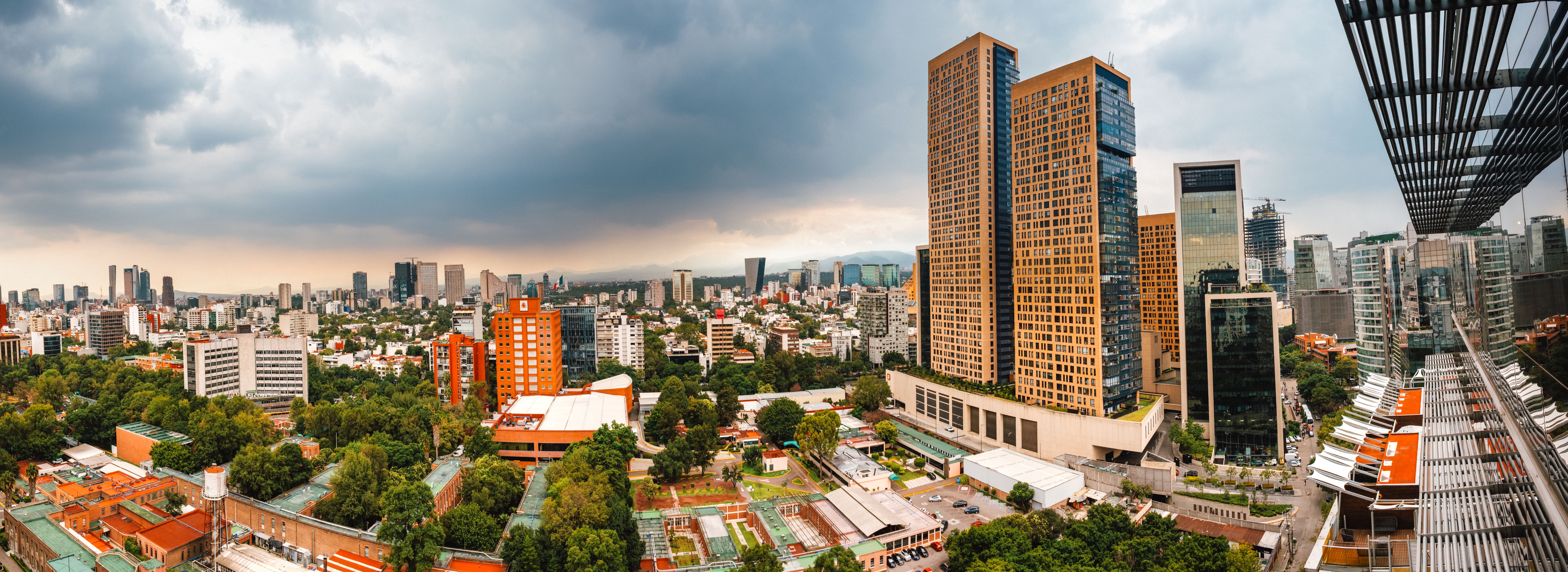
The city’s architects are increasingly incorporating sleek, minimalistic designs that emphasize open spaces and natural light. This approach not only enhances the visual appeal but also improves the functionality of spaces. By focusing on simplicity and elegance, these designs cater to a growing demand for sustainable living environments.
Sustainable Practices in Architecture
In recent years, there has been a significant shift towards sustainability in architectural practices. Mexico City is at the forefront of this movement, with architects integrating eco-friendly materials and technologies into their projects. The use of recycled materials, energy-efficient systems, and green roofs are becoming standard features in new constructions.
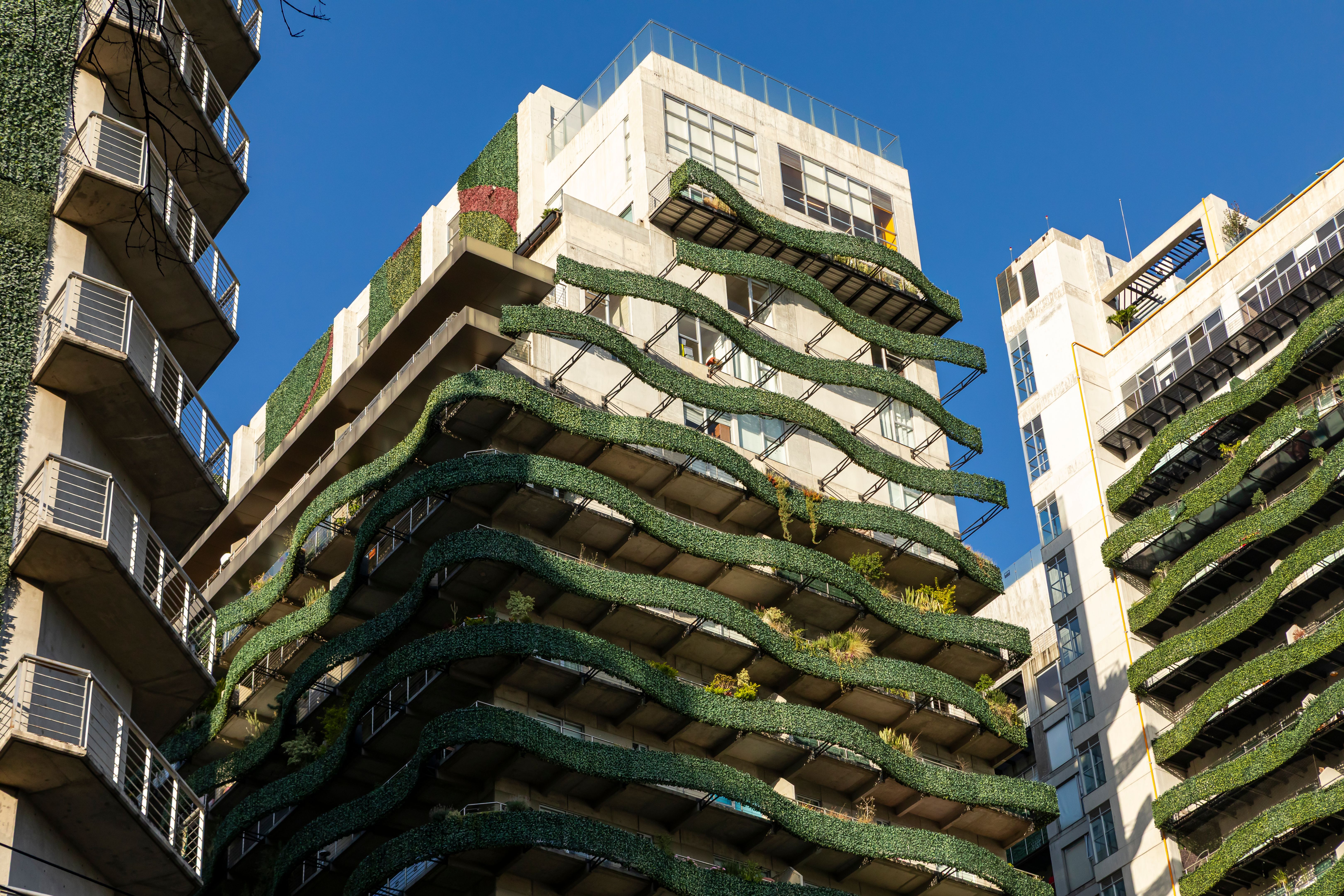
One notable trend is the implementation of passive design techniques. These methods involve optimizing a building's orientation, insulation, and ventilation to reduce energy consumption. Such innovations highlight a growing recognition of the environmental impact of architecture and a commitment to mitigating it.
Revitalization of Historic Spaces
While innovation drives the future, there is also a strong focus on preserving Mexico City’s rich architectural heritage. The revitalization of historic spaces involves transforming old structures into modern, functional buildings while maintaining their cultural significance. This approach not only preserves history but also breathes new life into these areas.
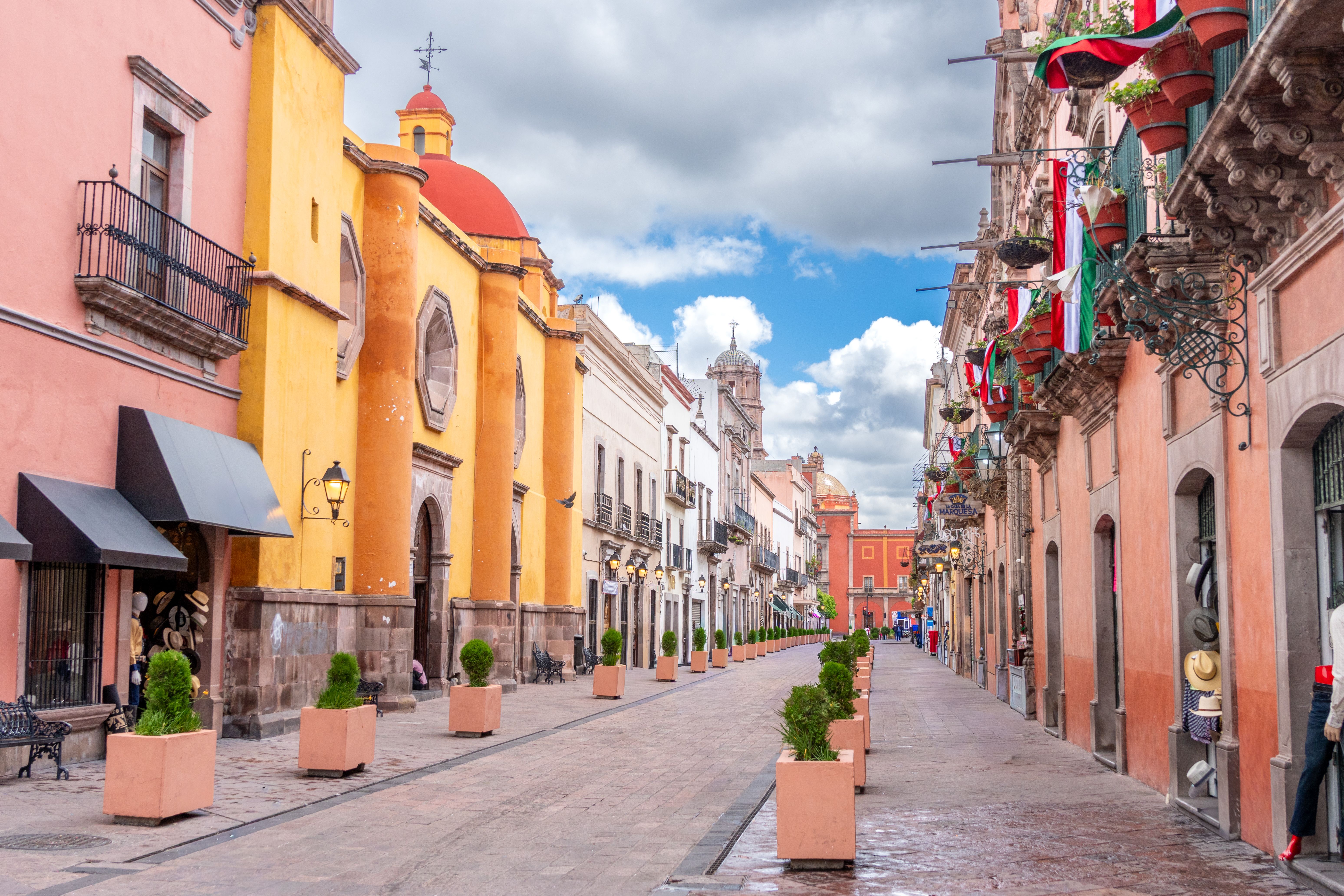
Architects are employing adaptive reuse strategies, converting former factories and warehouses into trendy residential and commercial spaces. By blending the old with the new, they are creating unique environments that celebrate the city's past and present.
Community-Centric Design
Another important trend is the emphasis on community-centric design. Architects are designing spaces that foster social interaction and community engagement. Public spaces, such as parks and plazas, are being thoughtfully integrated into urban planning to encourage communal activities and enhance the quality of life.
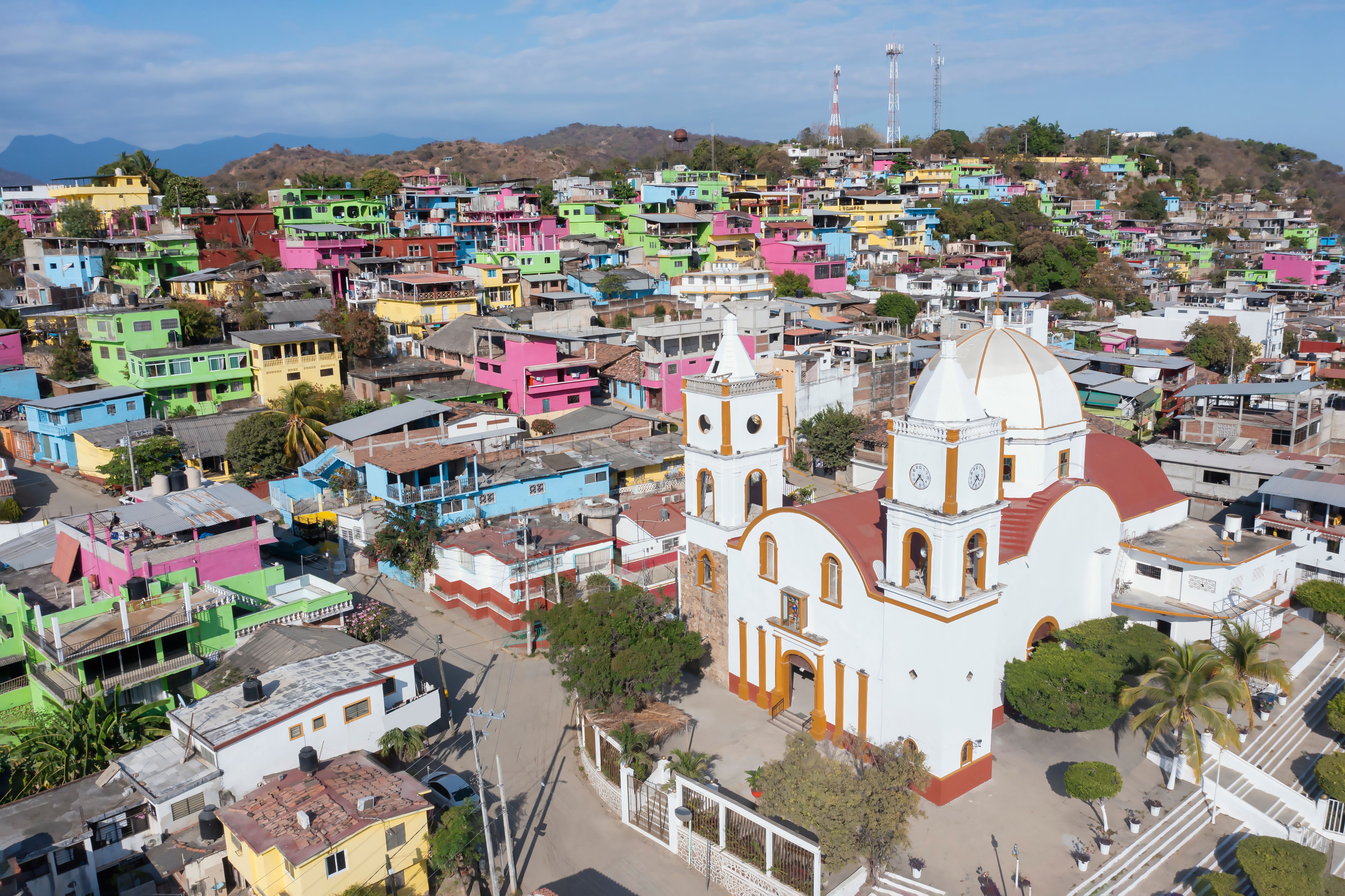
This trend reflects a broader understanding of architecture’s role in shaping social dynamics. By prioritizing human-centered design, architects are helping to create inclusive environments that cater to the diverse needs of Mexico City’s residents.
Technological Integration in Architecture
Finally, technological advancements are playing a crucial role in shaping architectural trends. The use of digital tools and software allows architects to experiment with complex geometries and innovative construction techniques. This technological integration is enabling more efficient design processes and facilitating the creation of groundbreaking structures.
As Mexico City continues to grow and evolve, these innovations in architectural design will play a pivotal role in defining its future. By embracing modern aesthetics, sustainable practices, and technological advancements, the city is setting a benchmark for architectural excellence in the region.