
Preparing Your Business for Seasonal Changes: A Construction Perspective


Understanding Seasonal Impacts on Construction
As the seasons change, construction businesses face unique challenges and opportunities. It's crucial to understand the impact of weather variations on your operations. From temperature fluctuations to storm risks, each season brings different conditions that affect project timelines and safety protocols.

Weather-Proofing Your Equipment and Materials
One of the key aspects of preparing for seasonal changes is ensuring that your equipment and materials are weather-proofed. This involves:
- Inspecting machinery for any weather-related vulnerabilities.
- Storing materials in weather-resistant containers or locations.
- Using protective coverings to shield equipment from rain or snow.
Proper maintenance and storage can significantly reduce downtime and repair costs.
Adjusting Project Timelines
Seasonal changes often necessitate adjustments to your project timelines. Consider the following:
- Plan for potential delays due to adverse weather conditions.
- Communicate with clients about possible timeline extensions.
- Factor in additional time for thawing or drying periods in colder months.
Being proactive in managing expectations can enhance client satisfaction and project efficiency.
Ensuring Worker Safety
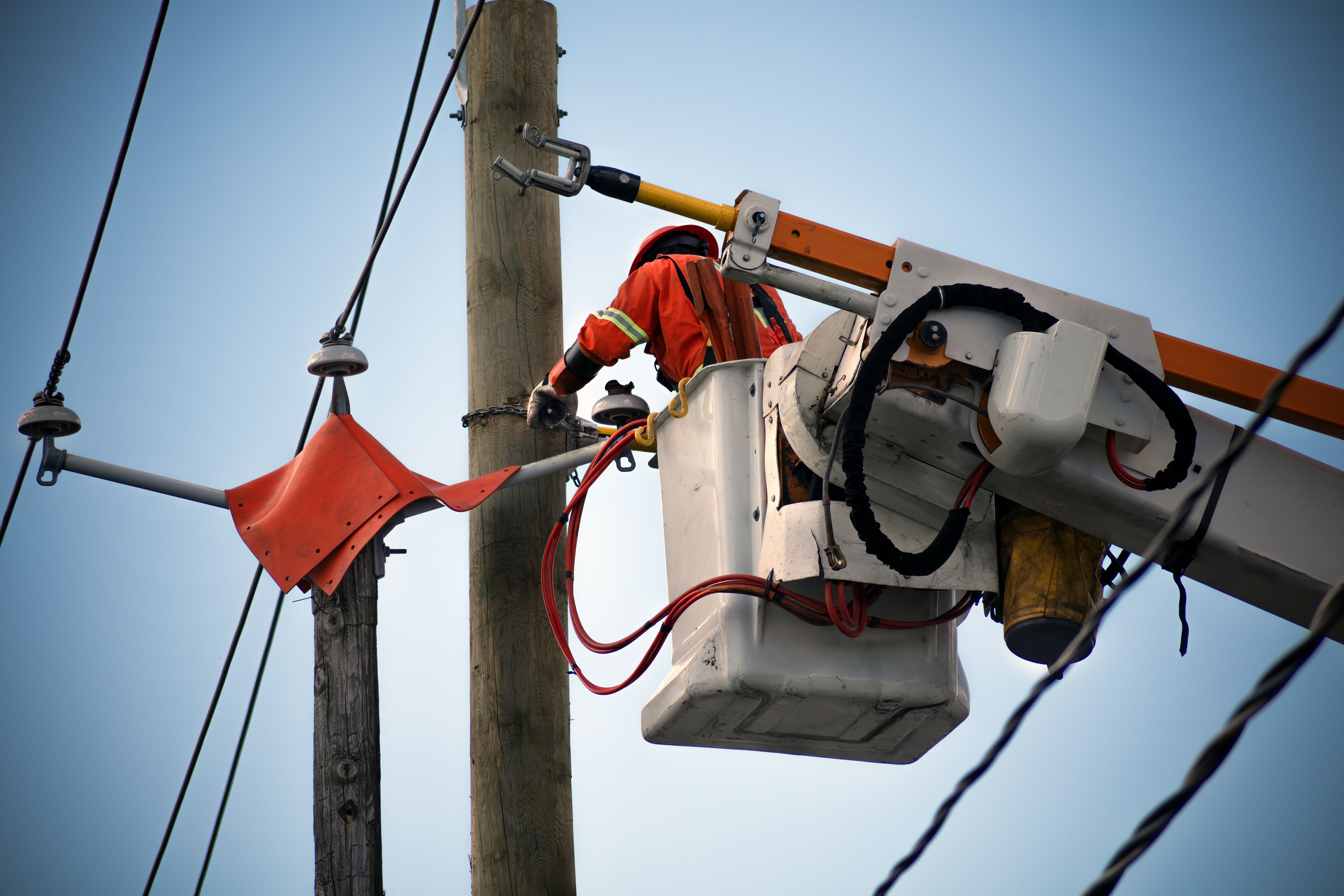
The safety of your workforce should always be a top priority. Seasonal changes can introduce new hazards, so it's essential to:
- Provide appropriate seasonal gear, such as warm clothing or raincoats.
- Conduct regular safety training sessions focusing on seasonal risks.
- Implement measures to prevent heatstroke or hypothermia.
With the right precautions, you can maintain a safe and productive work environment year-round.
Optimizing Resource Management
Efficient resource management is crucial when adapting to seasonal changes. This includes:
- Adjusting workforce schedules to maximize productivity during daylight hours.
- Implementing energy-efficient practices to reduce costs.
- Utilizing technology to monitor and manage resources effectively.
These strategies can help maintain operational efficiency despite seasonal fluctuations.

Leveraging Technology and Innovation
Innovative technologies can play a significant role in adapting to seasonal changes. Consider investing in:
- Weather forecasting tools to anticipate changes and plan accordingly.
- Remote monitoring systems to oversee site conditions in real-time.
- Advanced materials that withstand extreme weather.
By embracing technology, construction businesses can enhance resilience and adaptability.
Conclusion
Preparing your construction business for seasonal changes requires foresight and strategic planning. By focusing on weather-proofing, adjusting timelines, ensuring safety, optimizing resources, and leveraging technology, you can navigate the challenges each season brings. This proactive approach not only protects your assets but also ensures continued success in a dynamic environment.