Sustainable Construction Practices for a Cooler Summer in CDMX


Understanding Sustainable Construction
As temperatures rise during the summer months in Mexico City, the demand for sustainable construction practices becomes increasingly important. These practices not only help in reducing the carbon footprint but also ensure a cooler and more comfortable environment. By integrating energy-efficient designs and materials, we can create structures that are both eco-friendly and cost-effective.
Sustainable construction involves the use of renewable resources and innovative techniques to minimize environmental impact. This approach is crucial for urban areas like CDMX, where concrete jungles often lead to heat islands. Implementing these practices can significantly improve the quality of life for city dwellers.
Energy-Efficient Design
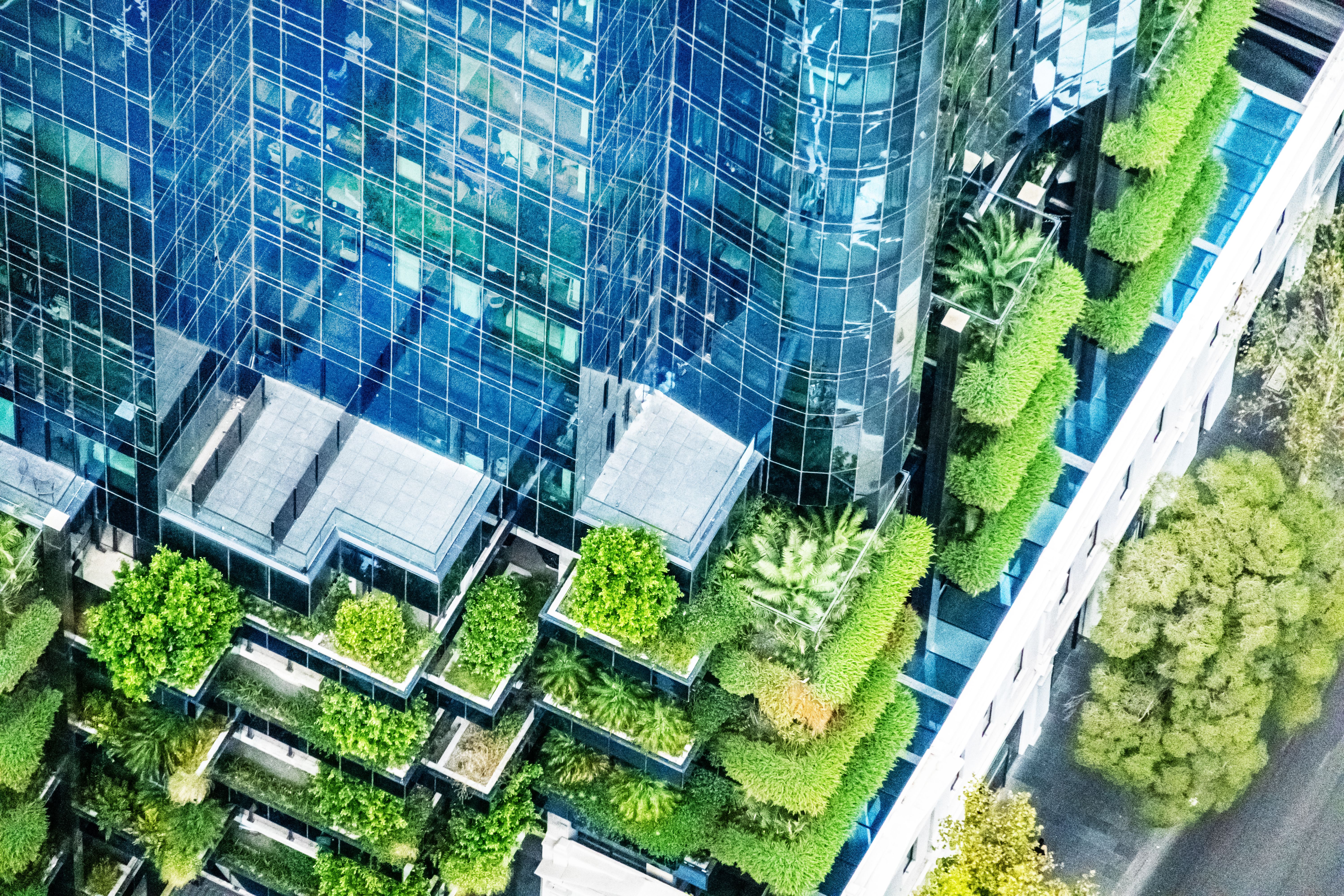
One of the most effective ways to achieve sustainable construction is through energy-efficient design. This includes incorporating natural ventilation, strategic window placement, and reflective roofing materials. These elements help in reducing the need for artificial cooling, thereby lowering energy consumption.
Natural ventilation is particularly beneficial in CDMX, where breezes can be harnessed to cool interiors. By designing spaces that promote airflow, buildings can maintain a comfortable temperature without relying heavily on air conditioning.
Reflective Roofing
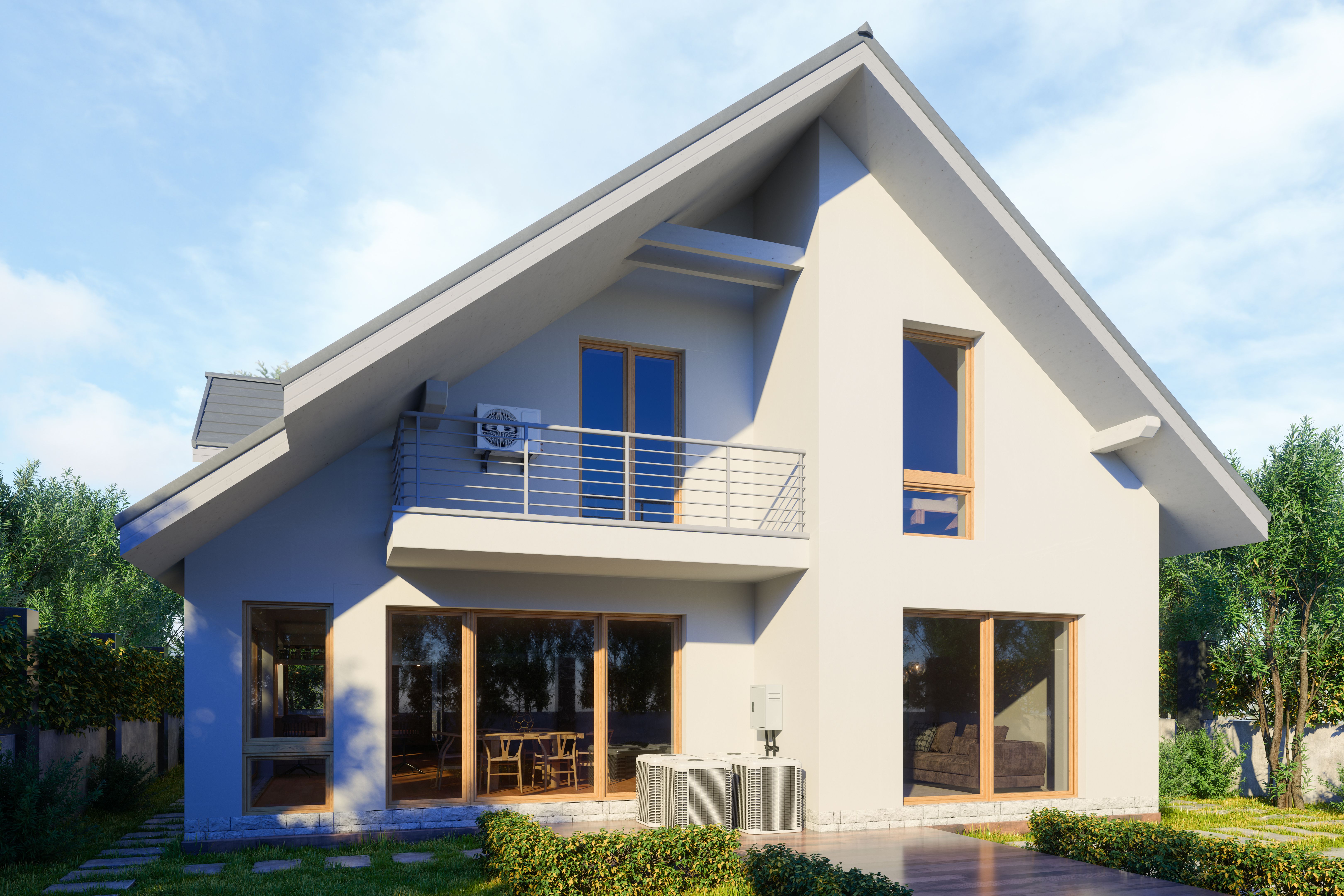
Reflective roofing is another key component of sustainable construction. By using materials that reflect rather than absorb sunlight, buildings can remain cooler during the hottest parts of the day. This simple yet effective technique can lead to significant energy savings.
Eco-Friendly Materials
Choosing the right materials is critical for sustainable construction. Eco-friendly materials such as bamboo, recycled steel, and low-VOC paints contribute to a healthier environment. These materials not only reduce the carbon footprint but also ensure better indoor air quality.
Bamboo, for instance, is a rapidly renewable resource that can replace more traditional, resource-intensive materials. Recycled steel offers similar benefits, providing strength and durability without the environmental cost of new production.

Low-VOC Paints
Using low-VOC (volatile organic compounds) paints is another way to promote sustainability. These paints emit fewer pollutants, contributing to better indoor air quality and a healthier living environment. This is especially important in densely populated areas like Mexico City.
Water Conservation Techniques
Water conservation is a vital aspect of sustainable construction. Implementing rainwater harvesting systems and using efficient plumbing fixtures can greatly reduce water usage. These methods help conserve this precious resource, particularly during the dry summer months.

Rainwater harvesting involves collecting and storing rainwater for later use. This practice not only reduces reliance on municipal water supplies but also helps in managing stormwater runoff, which can lead to flooding.
Efficient Plumbing Fixtures
Installing efficient plumbing fixtures such as low-flow toilets and faucets can also make a significant difference. These fixtures use less water while maintaining performance, contributing to overall water conservation efforts.
By adopting these sustainable construction practices, CDMX can look forward to cooler, more comfortable summers while also playing a crucial role in protecting the environment for future generations.