Technological Innovations Transforming the Construction Industry in Mexico


The construction industry in Mexico is experiencing a remarkable transformation, thanks to the integration of cutting-edge technologies. These innovations are not only enhancing efficiency but also improving safety and sustainability within the sector. As the industry evolves, it's essential to understand how these technological advancements are reshaping the landscape.
Building Information Modeling (BIM)
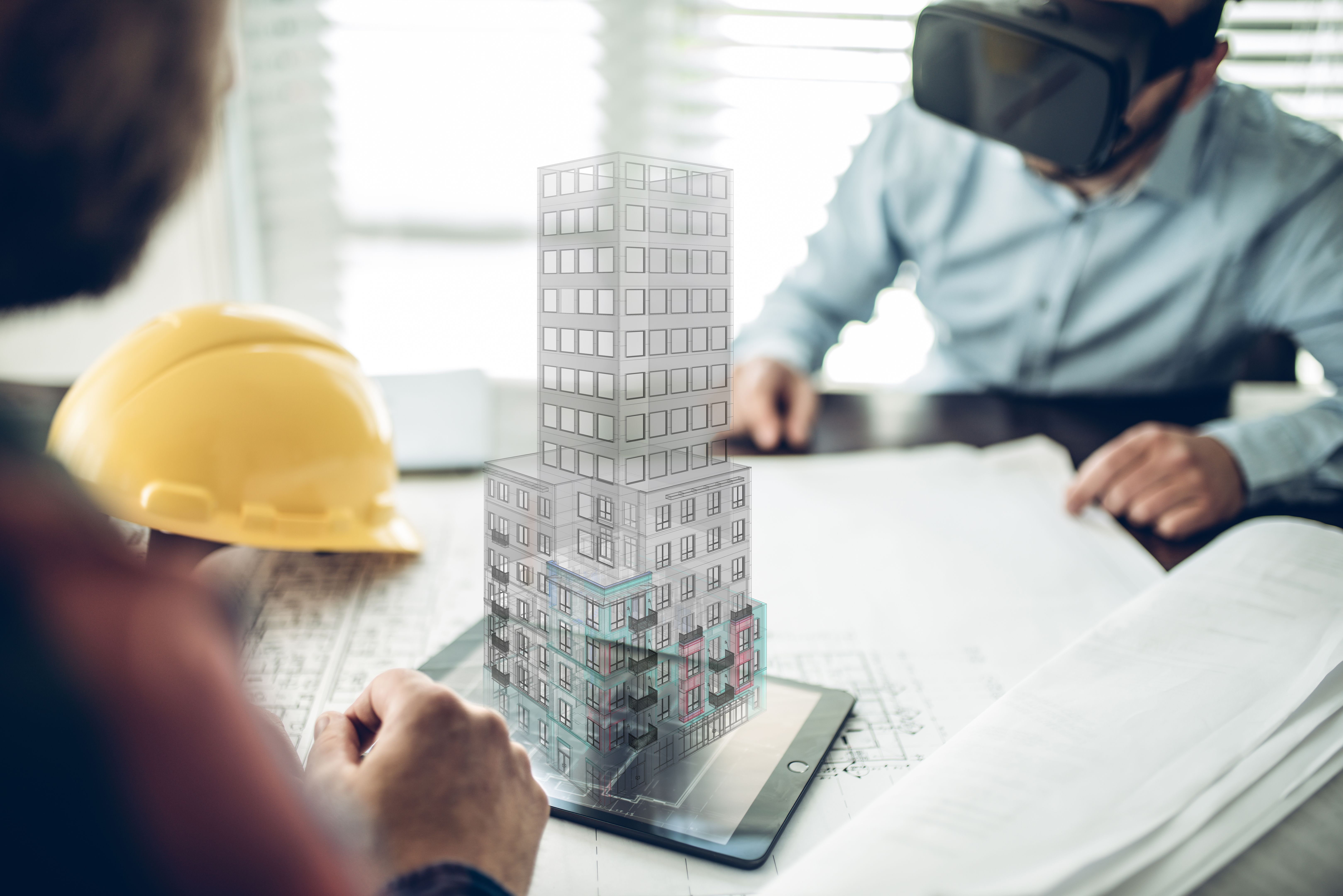
Building Information Modeling (BIM) is revolutionizing the way construction projects are designed and executed in Mexico. By creating detailed digital representations of buildings, BIM allows for better planning and coordination among architects, engineers, and contractors. This leads to reduced errors and cost overruns, making it a vital tool in modern construction.
Moreover, BIM facilitates improved communication and collaboration. Stakeholders can visualize the entire project lifecycle, from design to maintenance, ensuring that all parties are on the same page. This shared understanding is crucial for streamlining processes and enhancing productivity.

3D Printing and Prefabrication
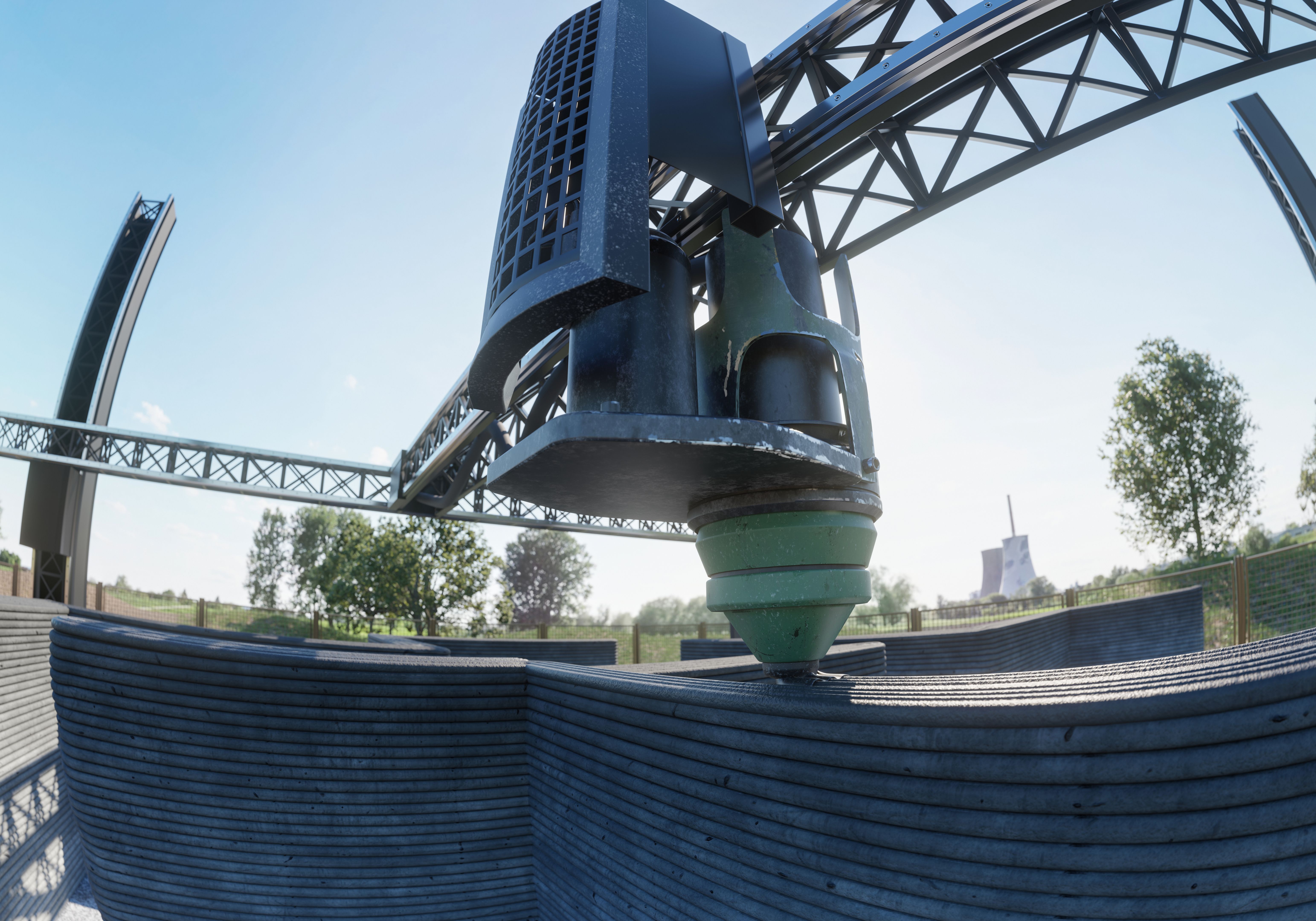
3D printing is rapidly gaining traction in the construction industry, offering innovative solutions for building components and even entire structures. In Mexico, 3D printing is being used to create affordable housing, addressing the country's housing shortages. This technology not only reduces waste but also accelerates construction timelines.
Prefabrication is another game-changer, allowing for the off-site construction of building elements. This approach minimizes on-site labor and material waste, resulting in quicker project completion and reduced environmental impact. Prefabrication is particularly beneficial for large-scale projects requiring consistent quality and precision.
Drone Technology
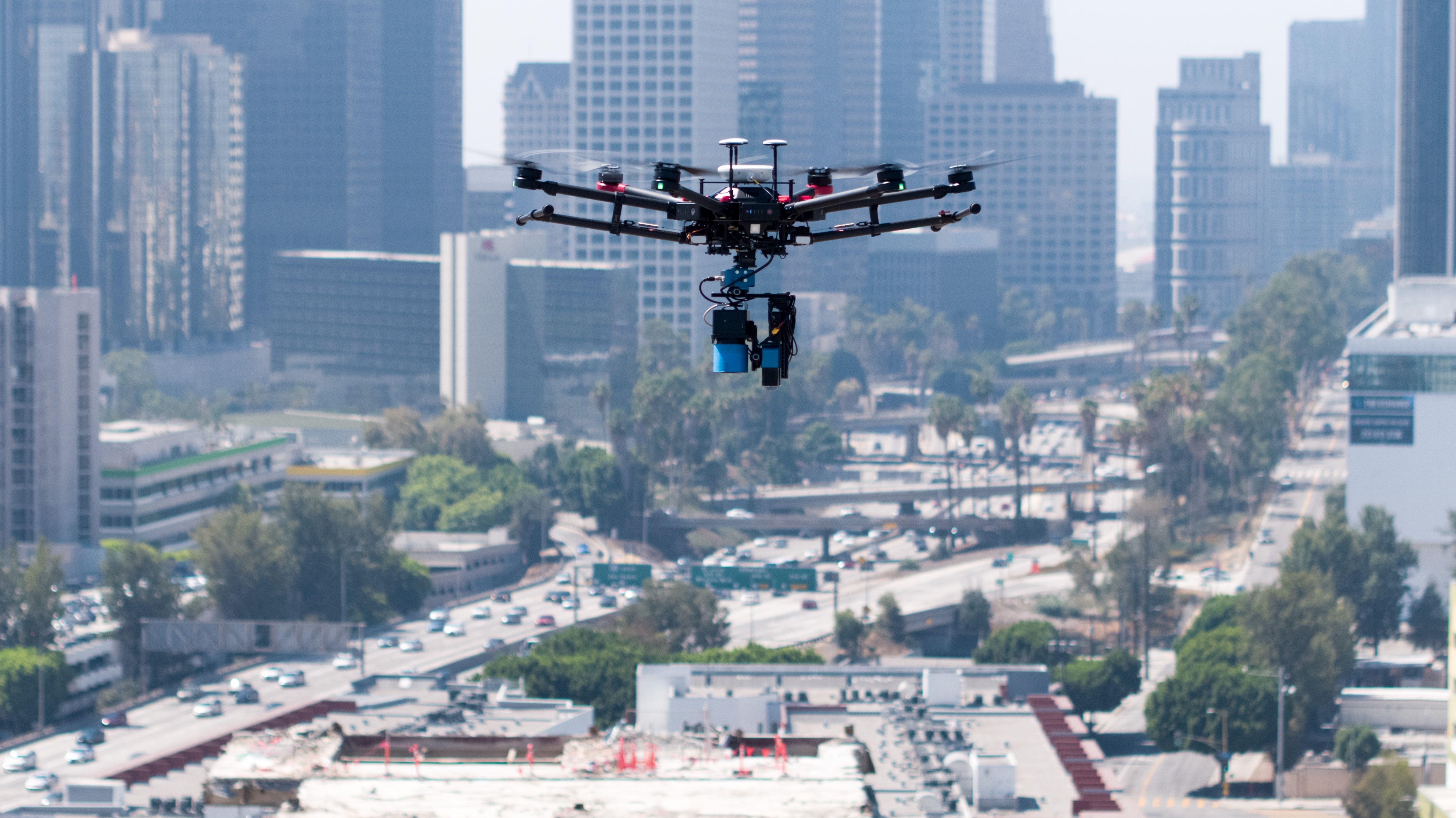
Drones are becoming indispensable tools in the construction industry, providing aerial views and real-time data for project monitoring. In Mexico, drones are used for site surveys, inspections, and progress tracking. This technology enhances accuracy and safety by reducing the need for manual inspections in hazardous areas.
Furthermore, drones facilitate better project management by offering detailed insights into site conditions and resource allocation. This data-driven approach allows for informed decision-making, ultimately improving project outcomes and client satisfaction.
Augmented Reality (AR) and Virtual Reality (VR)
Augmented Reality (AR) and Virtual Reality (VR) are transforming the way construction projects are visualized and executed. In Mexico, these technologies enable immersive experiences, allowing stakeholders to explore virtual models and make informed design decisions before construction begins.
AR and VR also play a significant role in training construction workers, providing safe and realistic simulations. This approach enhances skill development and reduces the risk of on-site accidents, contributing to a safer working environment.
Sustainability and Green Technologies
The focus on sustainability is driving the adoption of green technologies in Mexico's construction sector. Innovations such as energy-efficient materials, solar panels, and rainwater harvesting systems are becoming standard practices. These technologies not only reduce environmental impact but also lower operational costs for building owners.
Additionally, sustainable construction practices are gaining momentum, with an emphasis on reducing carbon footprints and promoting resource conservation. These initiatives align with global efforts to combat climate change, highlighting the industry's commitment to a greener future.

In conclusion, technological innovations are reshaping the construction industry in Mexico, offering new possibilities for efficiency, safety, and sustainability. As these technologies continue to evolve, they will undoubtedly play a pivotal role in the future of construction, paving the way for a more advanced and sustainable industry.