Top Trends in Construction Management for Urban Areas in Mexico


Urban construction in Mexico is undergoing a transformation, driven by innovative trends that aim to meet the growing demands of city life. With rapid urbanization, construction management has adapted to incorporate sustainable practices, smart technologies, and efficient project management.
Sustainable Building Practices
One of the most significant trends in construction management for urban areas in Mexico is the emphasis on sustainability. Developers are increasingly adopting eco-friendly materials and designs to reduce the environmental impact of new structures. Green building certifications, such as LEED, are becoming more common as they encourage energy efficiency and resource conservation.
Efforts to integrate renewable energy sources like solar panels and wind turbines are also gaining traction. These innovations not only reduce the carbon footprint of buildings but also offer long-term cost savings to owners and tenants.
Smart Technologies
Smart technologies are revolutionizing construction management by enhancing efficiency and safety. The use of Building Information Modeling (BIM) allows for precise planning and reduces errors during the construction process. Through BIM, project managers can visualize the entire project lifecycle, optimizing resources and time.

Additionally, the Internet of Things (IoT) is being integrated into construction sites to monitor equipment and manage resources in real time. IoT devices provide valuable data that helps in minimizing waste and improving project timelines.
Prefabrication and Modular Construction
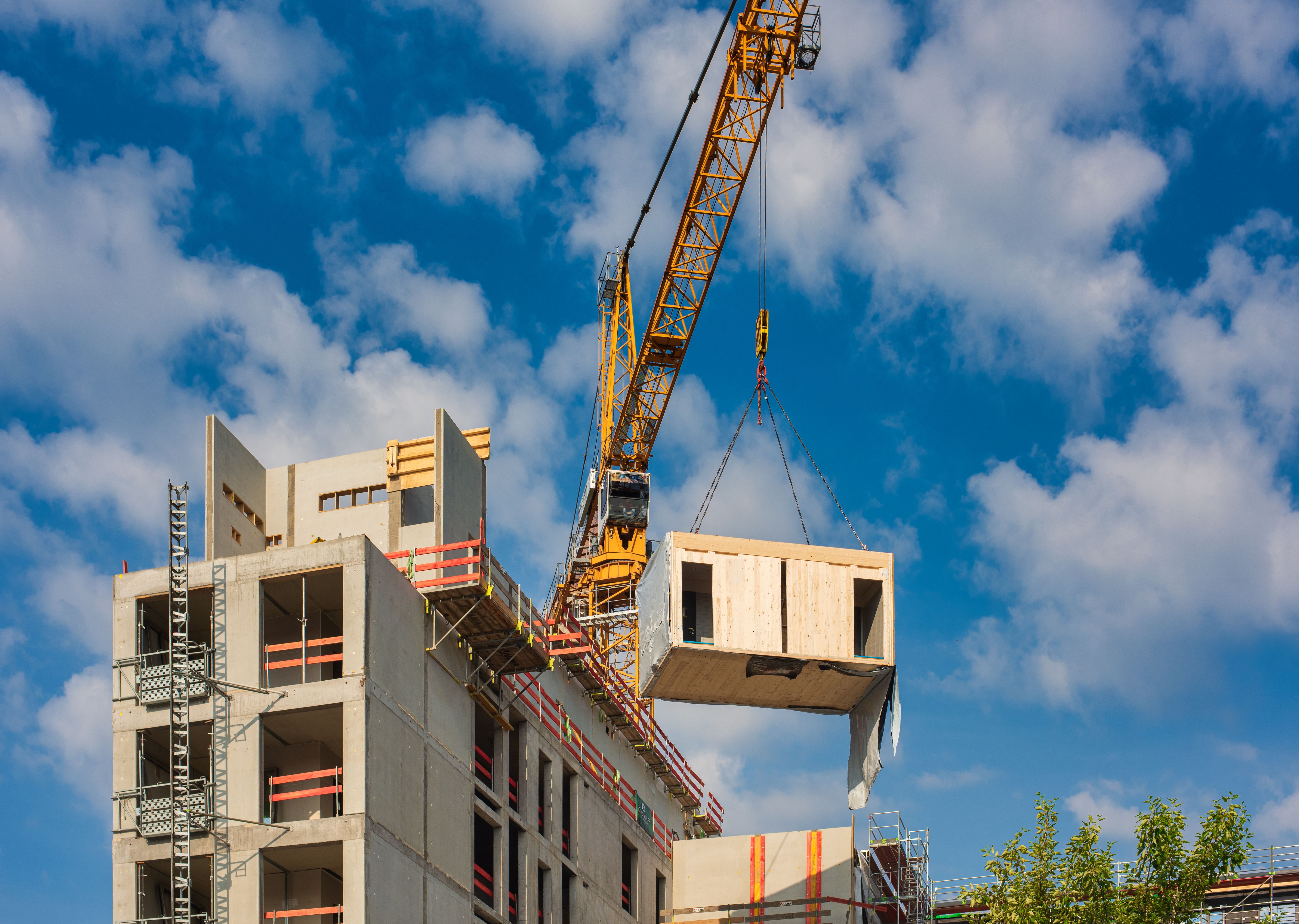
Prefabrication and modular construction are becoming popular due to their ability to reduce construction time and costs. By assembling parts of a building off-site, these methods minimize disruptions in urban areas and enhance quality control.
These approaches also play a crucial role in addressing housing shortages in densely populated cities, offering a quick and efficient solution to urban housing needs.
Urban Resilience and Adaptation
Urban resilience is a key focus area, with construction firms prioritizing designs that can withstand natural disasters such as earthquakes and floods. This trend is particularly important in Mexico, where certain regions are prone to seismic activity.
Using advanced engineering techniques and materials, buildings are being constructed to be more adaptable and resilient, ensuring the safety and longevity of urban infrastructure.
Collaborative Project Management
Collaboration among stakeholders is essential in modern construction management. Utilizing cloud-based platforms, project managers, architects, and contractors can communicate and share updates seamlessly. This collaborative approach minimizes errors and enhances decision-making.
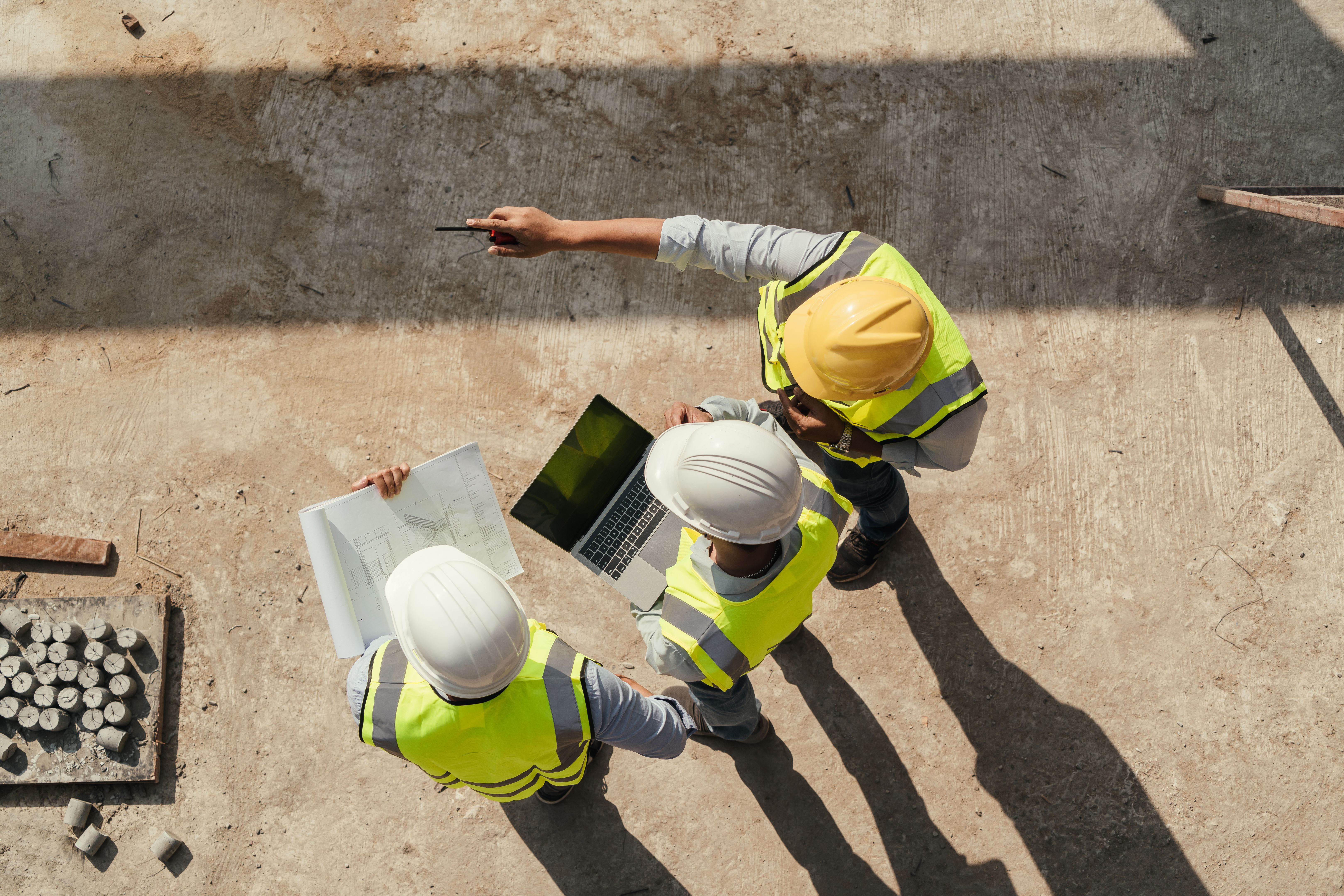
By fostering a collaborative environment, construction projects in urban areas can be completed more efficiently, with all parties aligned towards common goals.
Conclusion
The trends in construction management for urban areas in Mexico reflect a shift towards more sustainable, efficient, and resilient building practices. By embracing these innovations, the construction industry is poised to meet the challenges of urban growth, creating cities that are not only larger but smarter and more sustainable.